Cathedral of Santa Maria Assunta
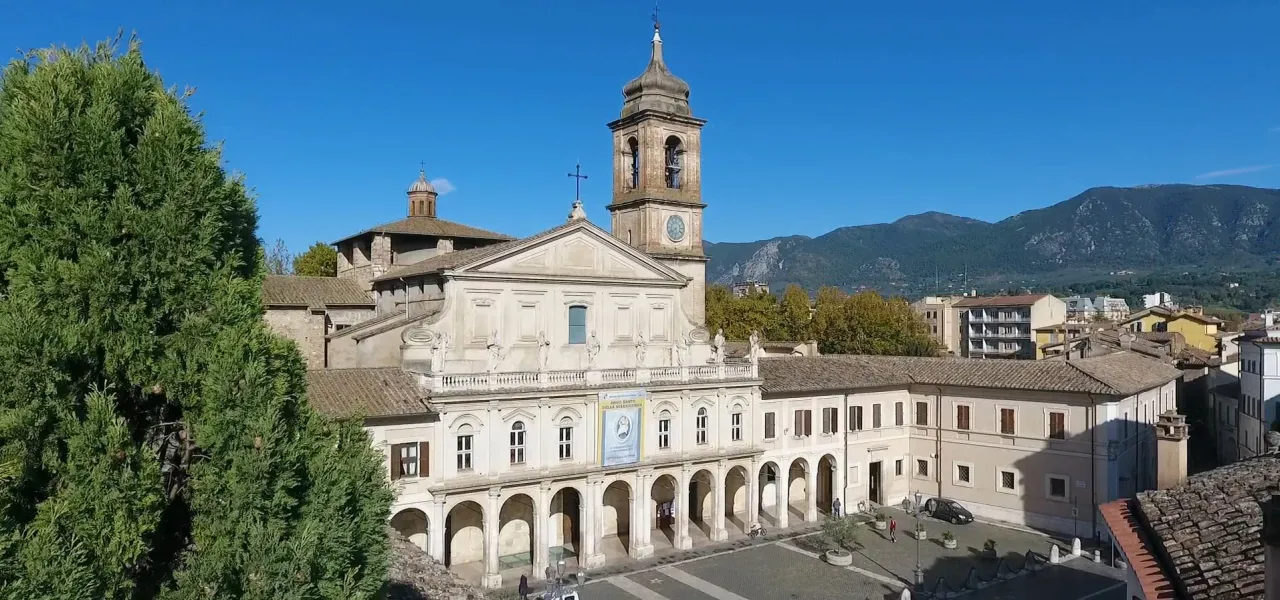
A local tradition that has never been verified attributes the project to Gian Lorenzo Bernini.
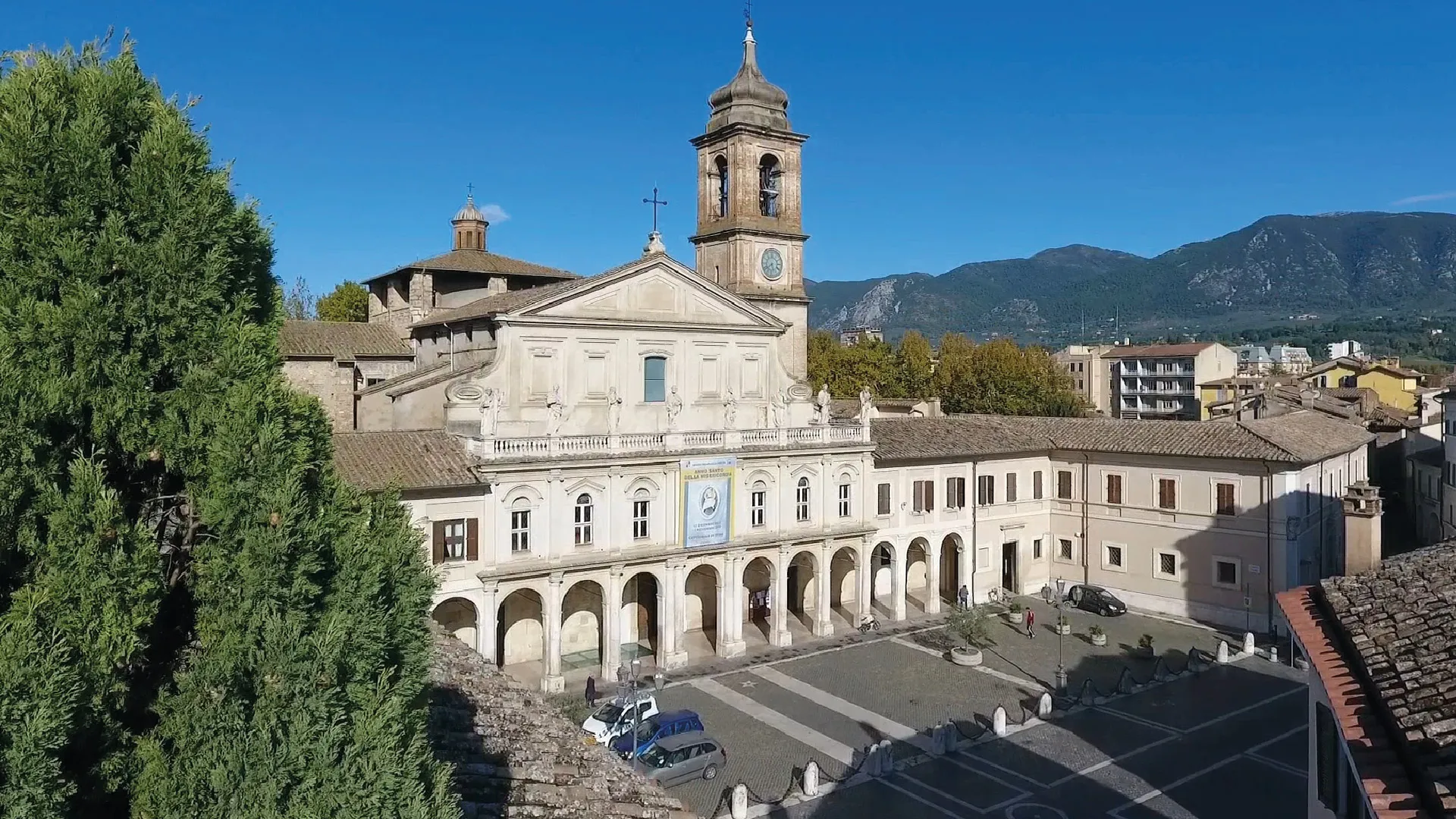
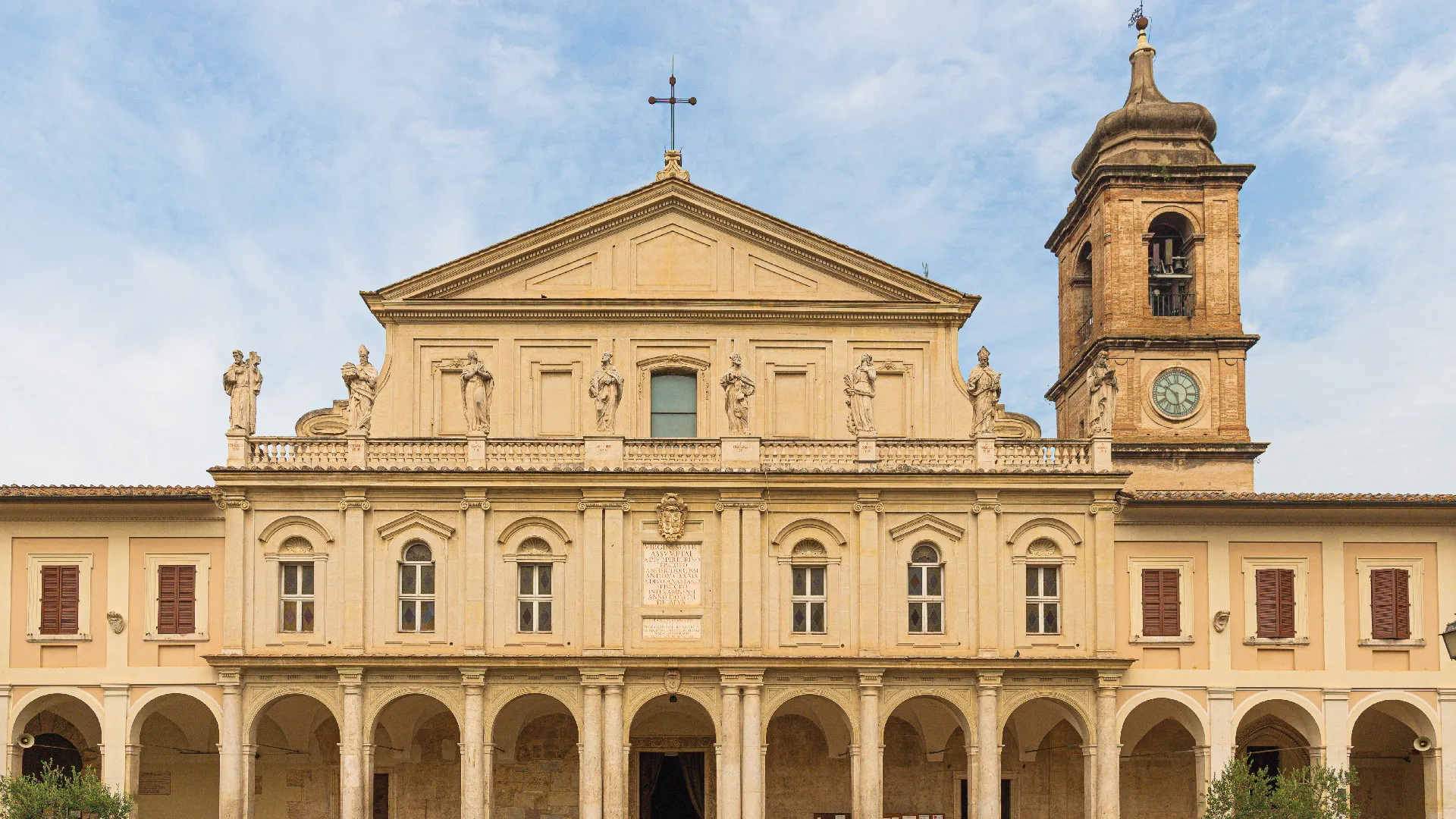
The original nucleus of the Church originated from the burial place of the Bishop Sant'Anastasio and its foundations can be seen under a glass floor. It was a Romanesque style basilica with three naves, of which there are very few remains, such as the central portal and the masonry under the porch.
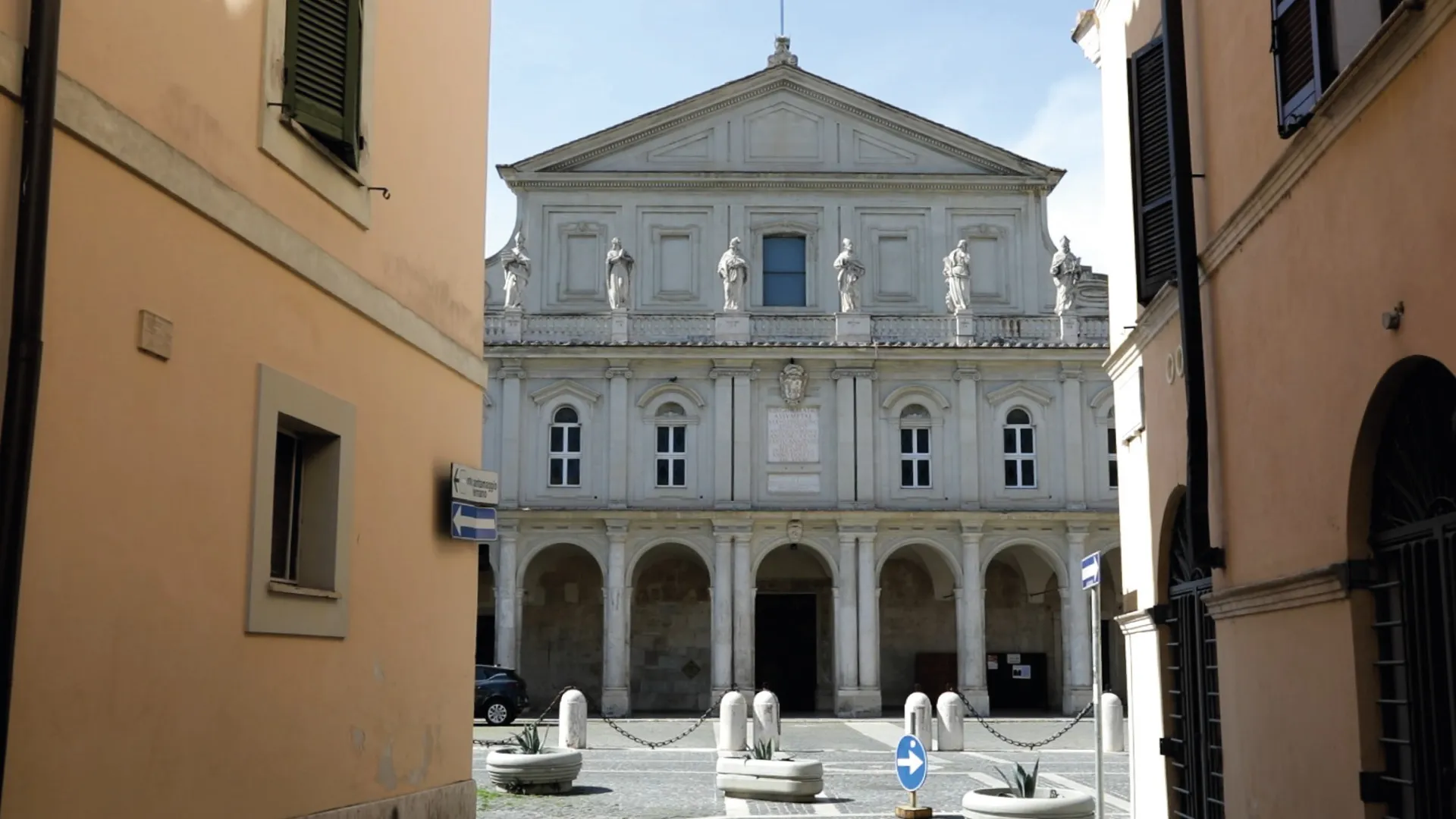
In the mid-16th century a radical reconstruction of the Church was promoted to transform it into a three-aisled basilica with a wide transept and dome at the intersection of the cross vault according to the design by Sebastiano Flori, a pupil of Vasari.
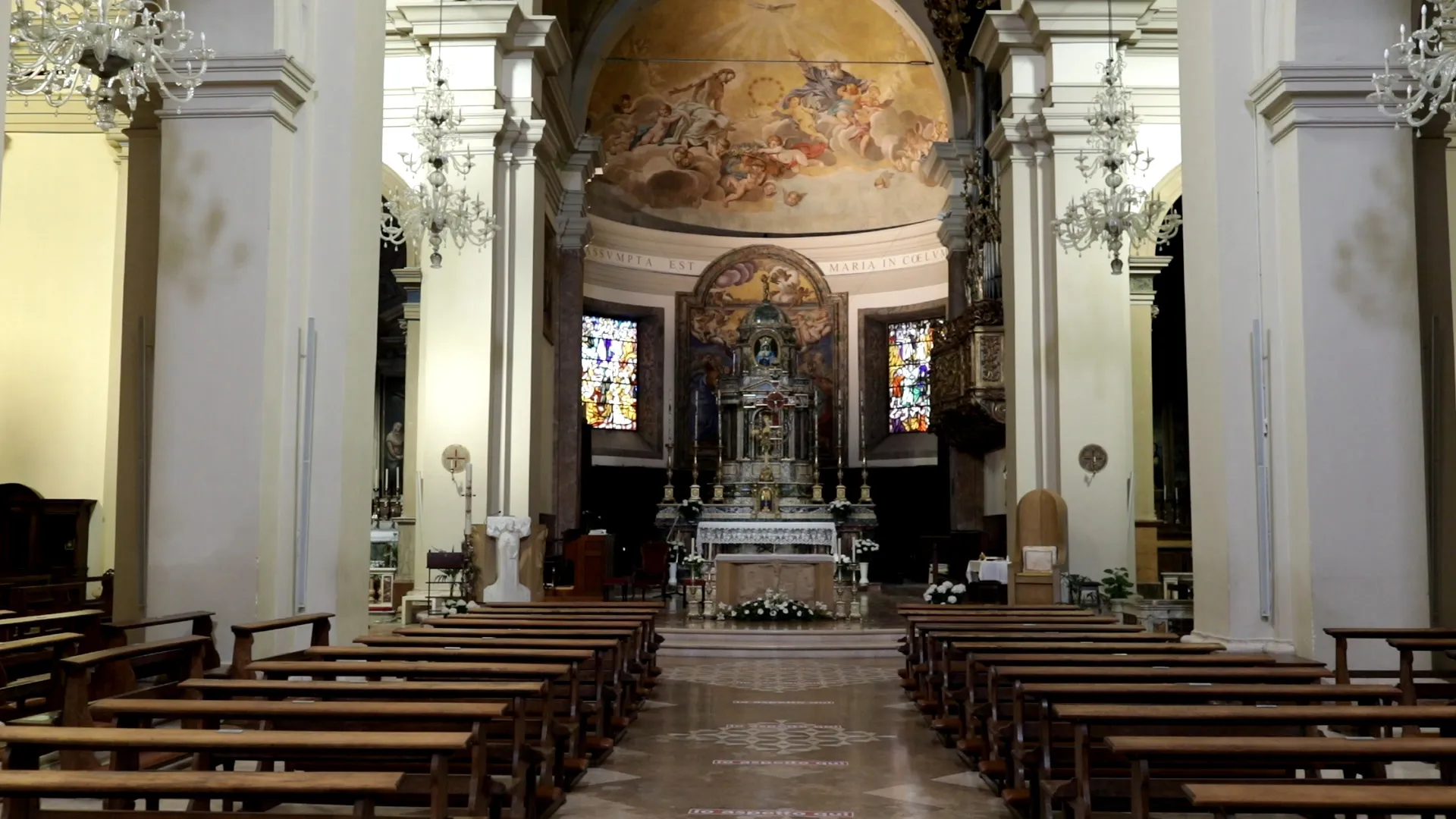
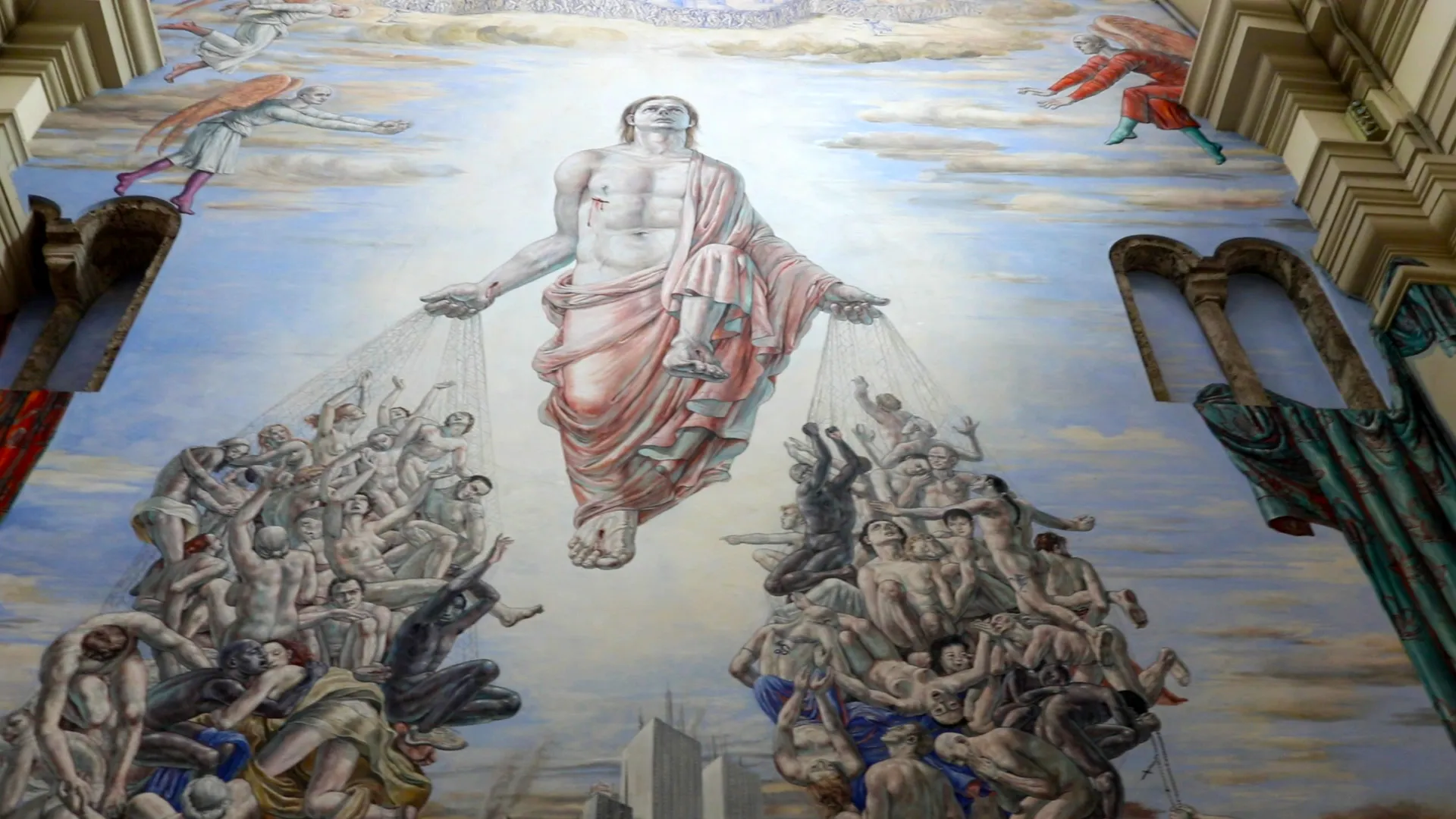
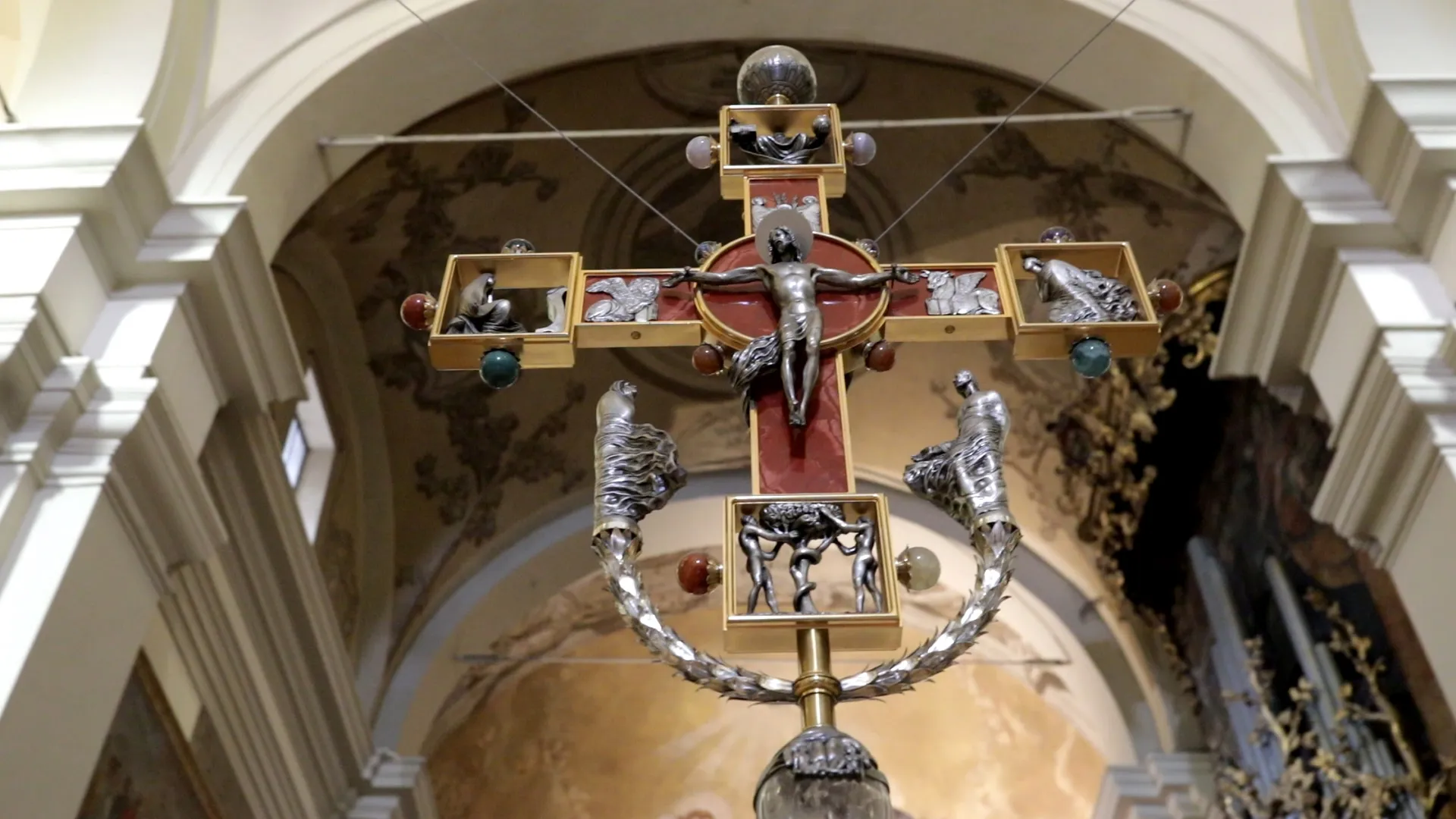
The work lasted for over a century and was only completed in the mid-17th century, during the episcopate of Cardinal Rapaccioli, who had the elegant front porch completed. Notable works of art inside include the monumental organ, the design of which is attributed to Bernini and the high altar in polychrome marble, built in the 18th century on drawings by Carlo Murena, a pupil of Vanvitelli.
Gallery
Near "Cathedral of Santa Maria Assunta"




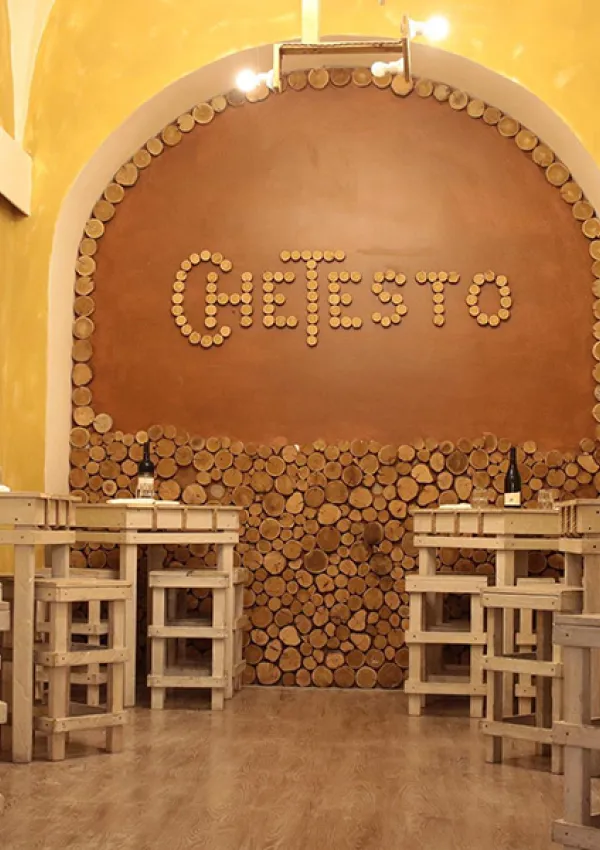
Che testo!
#Braceria
#Pizzeria
P.zza Solferino 20
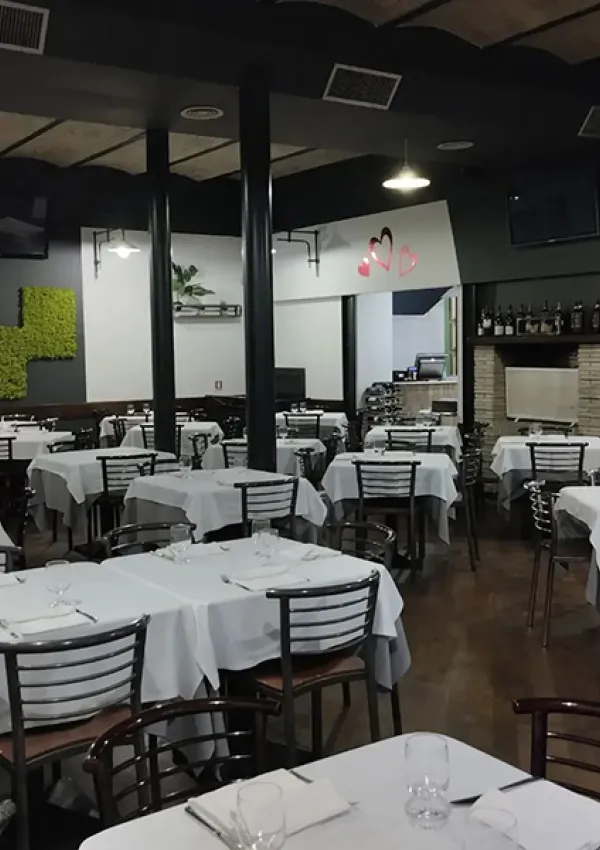
Il cicalino
#Pizzeria
#Ristorante
P.zza S.Giovanni Decollato 12/b
Web: go to site
@: view email
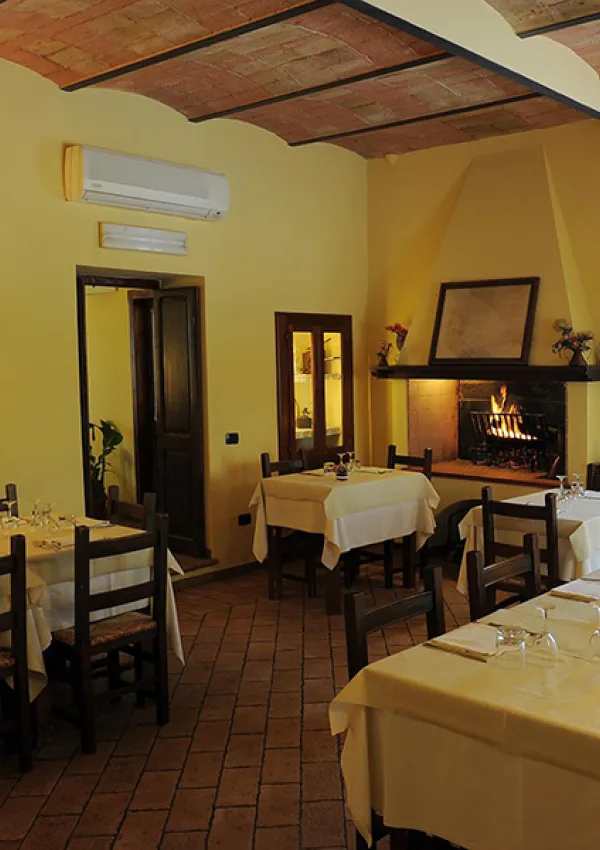
La Mora
#Trattoria
Str. di S.Martino 42
Web: go to site
La Piazzetta
#Ristorante
Via Cavour 9
Web: go to site
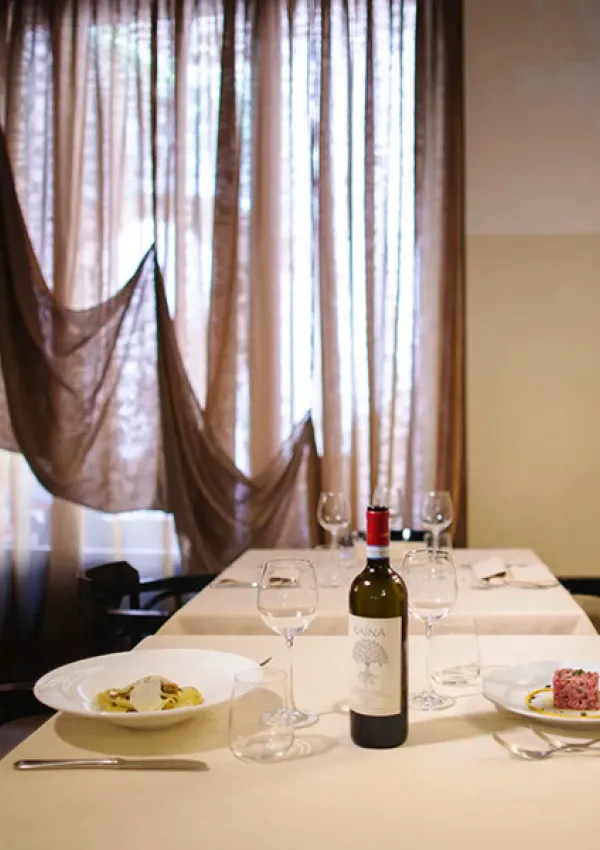
Me Gusta
#Ristorante
Via Cavour, 19
Web: go to site
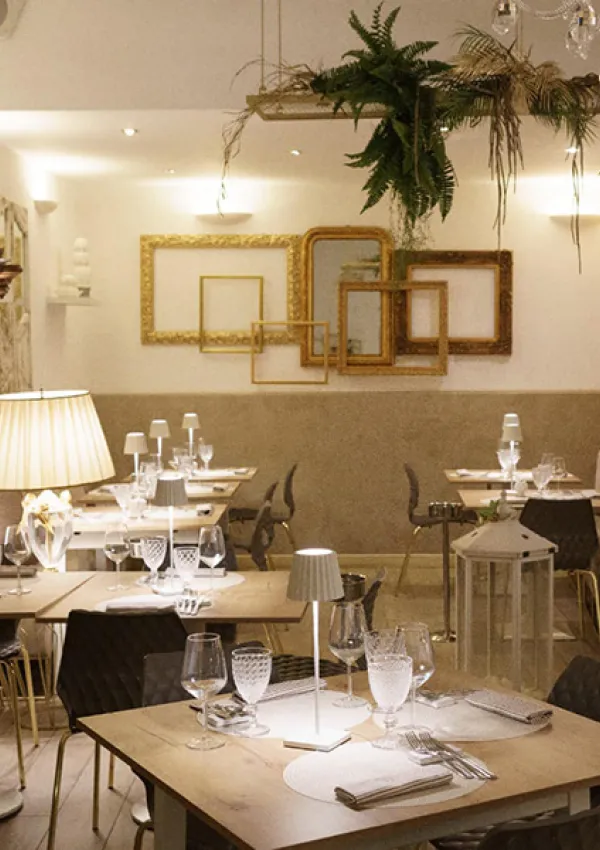
Nascostoposto
#Pizzeria
#Ristorante
Via Sant'Alò 10
@: view email
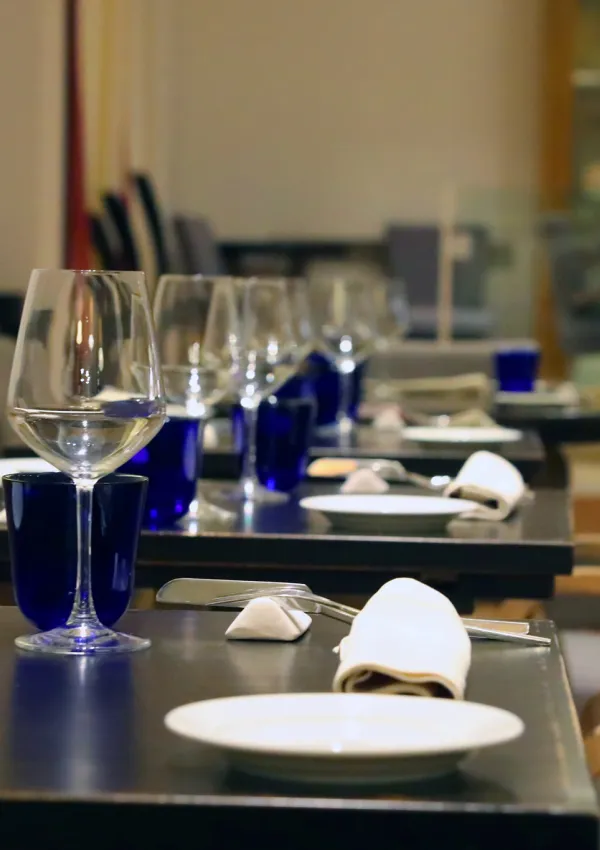
Osteria dell'Olmo
#Osteria
#Ristorante
Via del Leone 28
@: view email
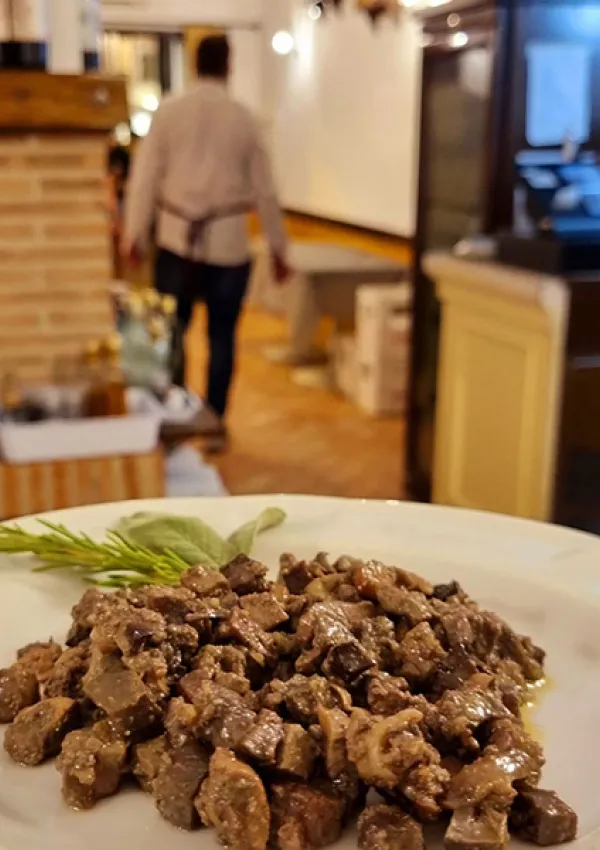
Osteria Garibaldi
#Ristorante
#Trattoria
Via Garibaldi 27