Church of Sant'Alò
According to an ancient tradition, the church was built on the site of a pagan temple dedicated to the Goddess Cybele. The current owner is Saint Aloysius, short for Alò, who lived in France during the Merovingian era and is considered the patron saint of goldsmiths and silversmiths. It is a Romanesque building with a basilica floor plan that has three naves, divided by arches on pillars and columns, the construction of which can be traced back to the 11th century.
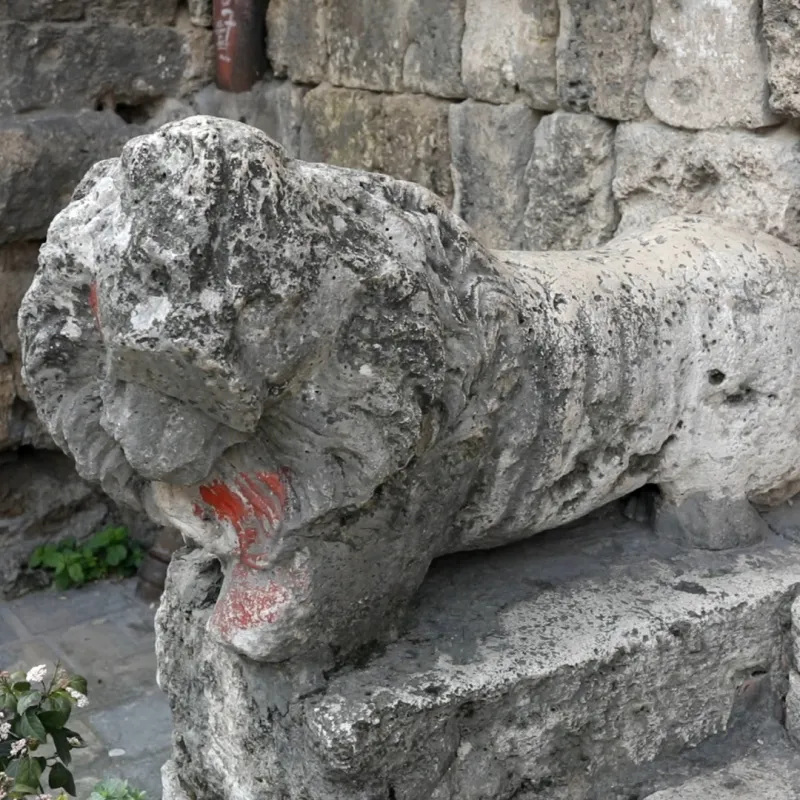
The exterior of the church is characterised by the widespread use of salvaged material from the Roman era. The entrance door is flanked by two ancient lions, while many fragments are walled into the ancient bell tower, whose upper part was demolished in order to join it to the adjacent house.
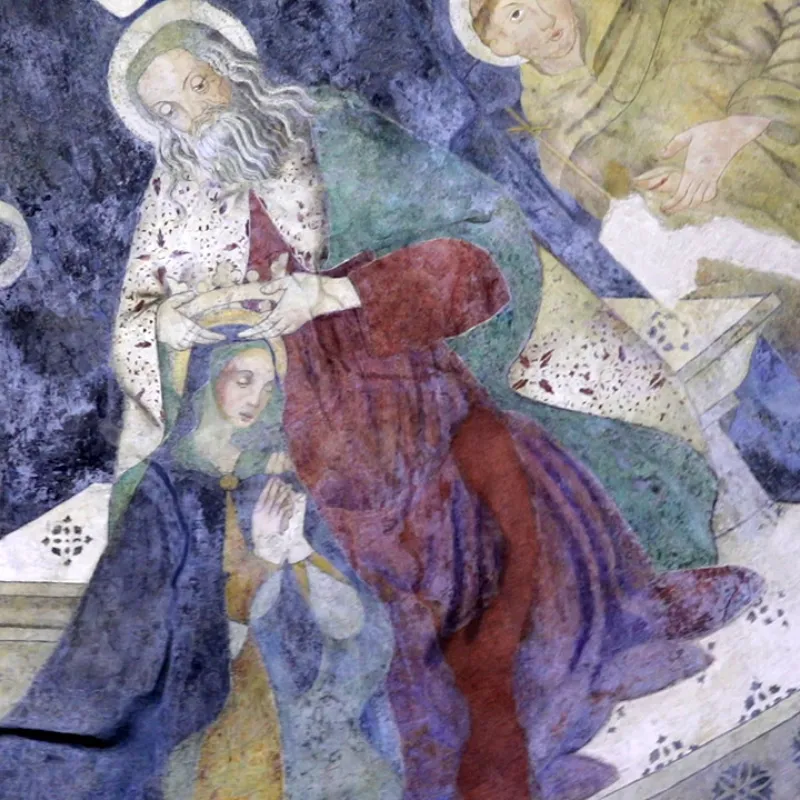
The interior has three naves separated by columns and pillars, in the style of Romanesque churches in southern Umbria. The central nave ends with an apse connected by a vaulted room, while the side naves end with small niches. The interior walls are decorated with remarkable series of medieval frescoes.
Gallery


Near "Church of Sant'Alò"


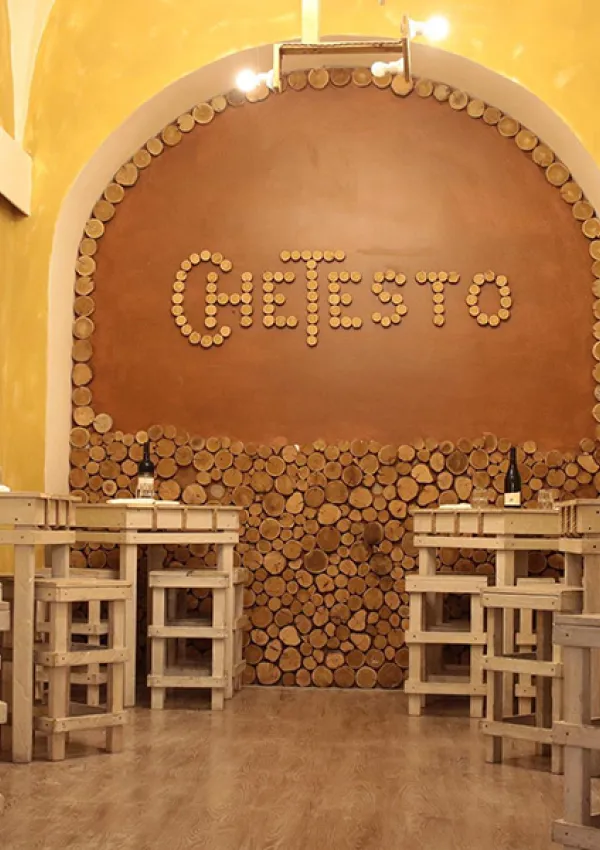
Che testo!
#Braceria
#Pizzeria
P.zza Solferino 20
Il cicalino
#Pizzeria
#Ristorante
P.zza S.Giovanni Decollato 12/b
Web: go to site
@: view email
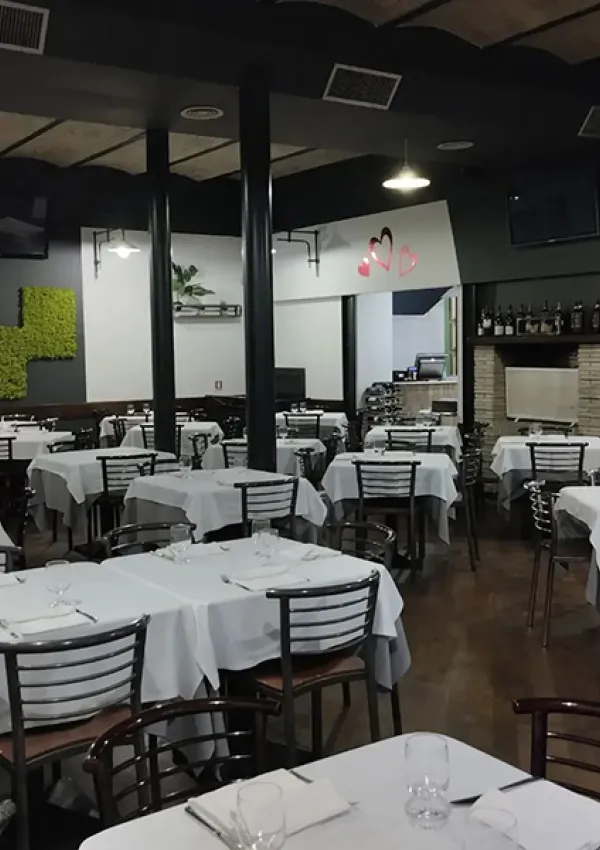
La Piazzetta
#Ristorante
Via Cavour 9
Web: go to site
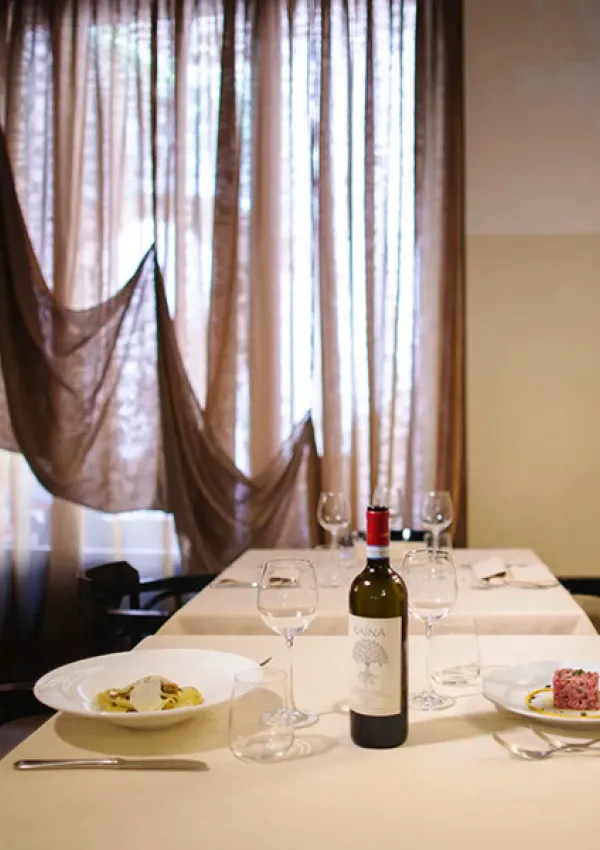
Me Gusta
#Ristorante
Via Cavour, 19
Web: go to site
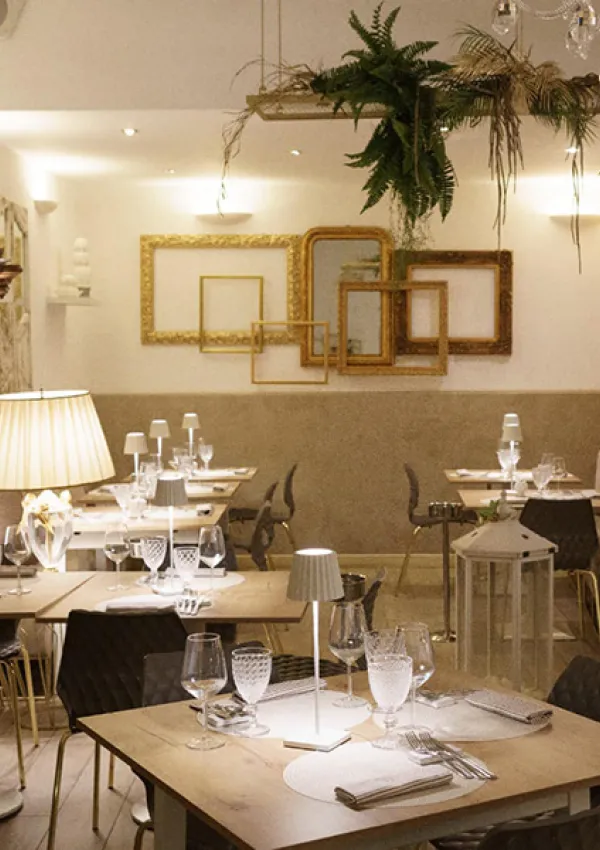
Nascostoposto
#Pizzeria
#Ristorante
Via Sant'Alò 10
@: view email
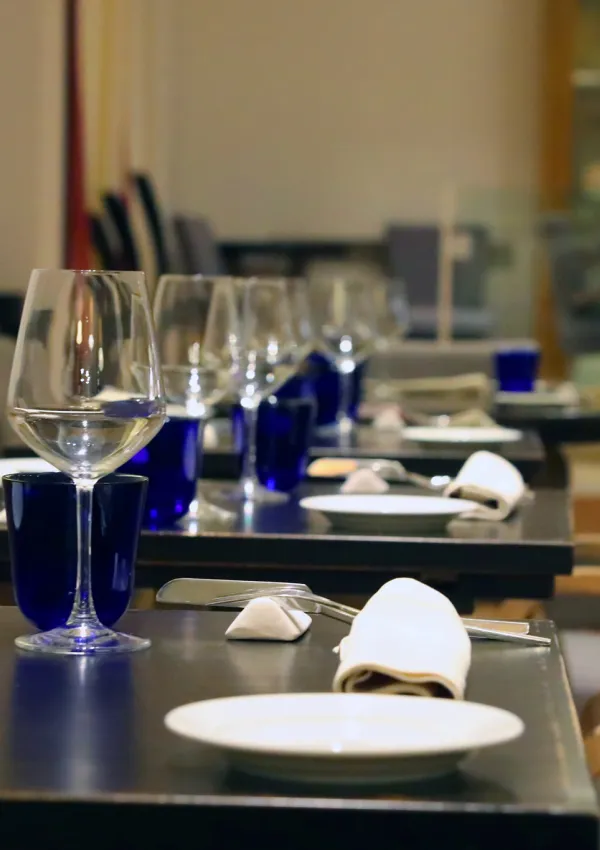
Osteria dell'Olmo
#Osteria
#Ristorante
Via del Leone 28
@: view email
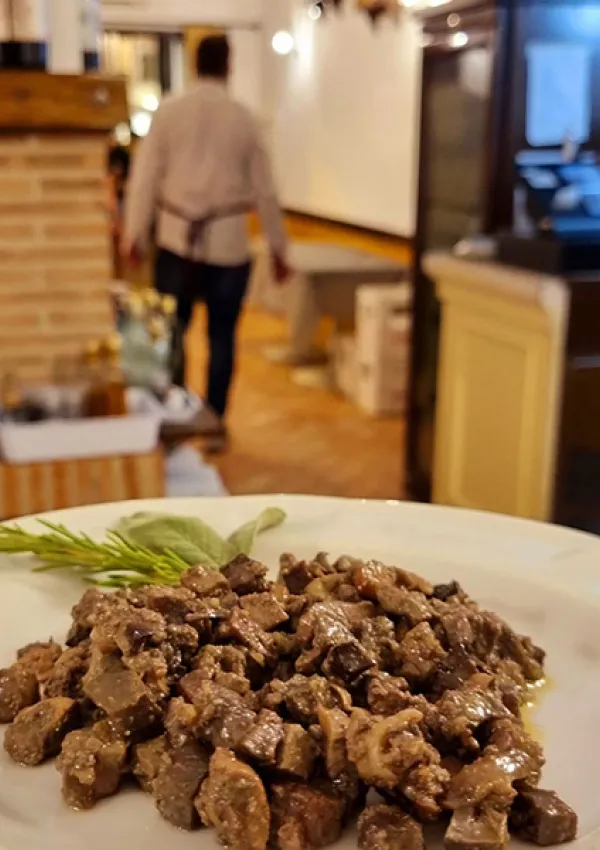
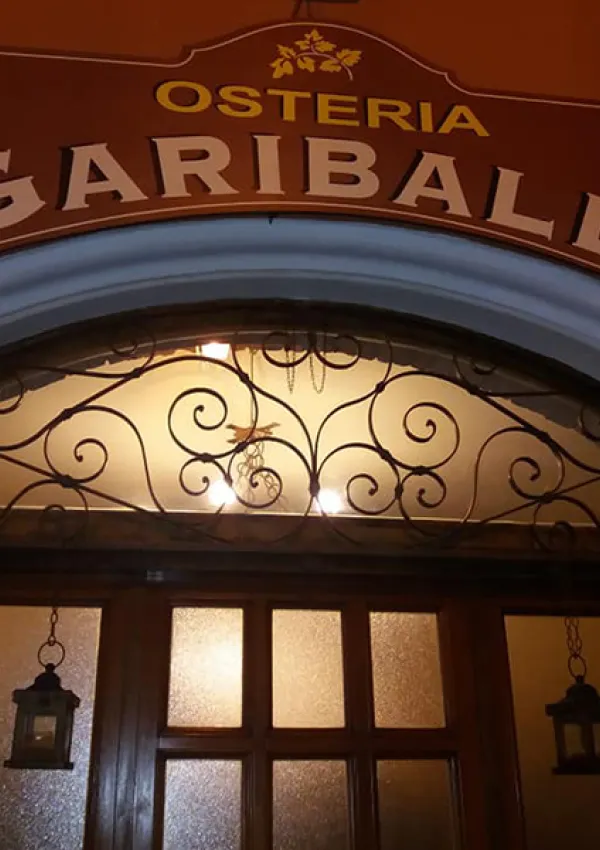
Osteria Garibaldi
#Ristorante
#Trattoria
Via Garibaldi 27
Panzerotto
#Fast food
Via G.Garibaldi 39