Ponte del Toro
The artefact is therefore a hydraulic work of the Roman age to be reconnected to the drainage system of the waters from the Marmore plateau, but carried out after the reclamation works of III century BC operated by M. C. Dentato, conqueror of Sabina.
The name of the monument derives from the toponym of the place where it is located: "Toro" in toponymy means protrusion, elevation or terracing, by the Latin torus = hillin reference to the geomorphology of the place.
The recent excavation and restoration work carried out by the Sapienza University of Rome and the former Superintendence of Archeology of Umbria have clarified its chronology and function, dated between the I century BC and the I century AD.
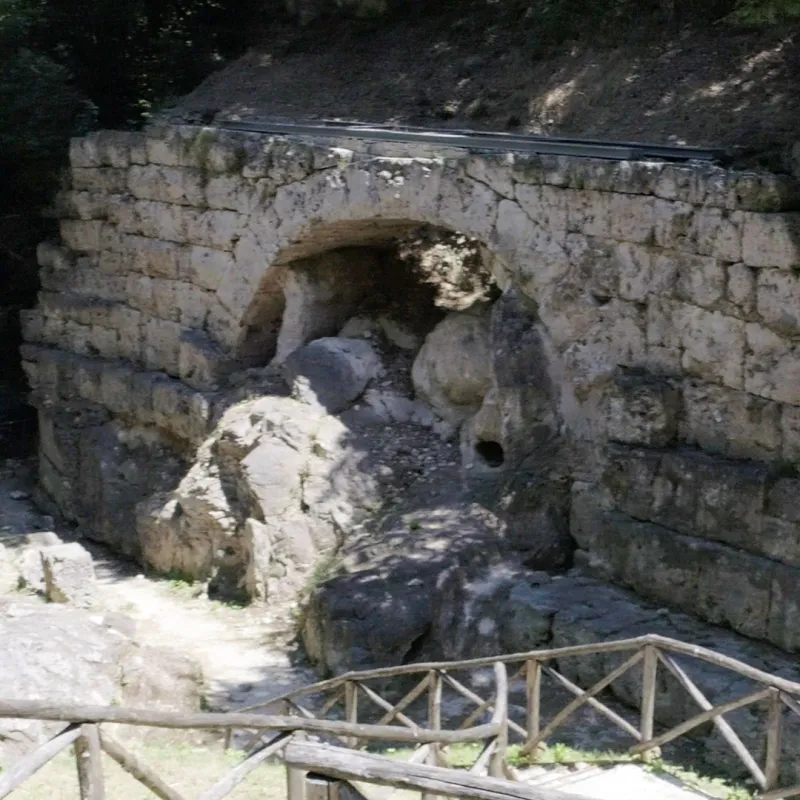
Under the archway there was an emissary channel of the Velino coming from the Marmore plain. The bridge was found in 1819 under the calcareous encrustations of the Velino, by the PhD Giuseppe Riccardi while he was looking for a new section entrance on the river Nera for the Cervino canal.
Under the Toro bridge there are the remains of the Cervino Canal, now abandoned, built by Riccardi in 1819, replacing the previous one damaged by a landslide.
Near "Ponte del Toro"



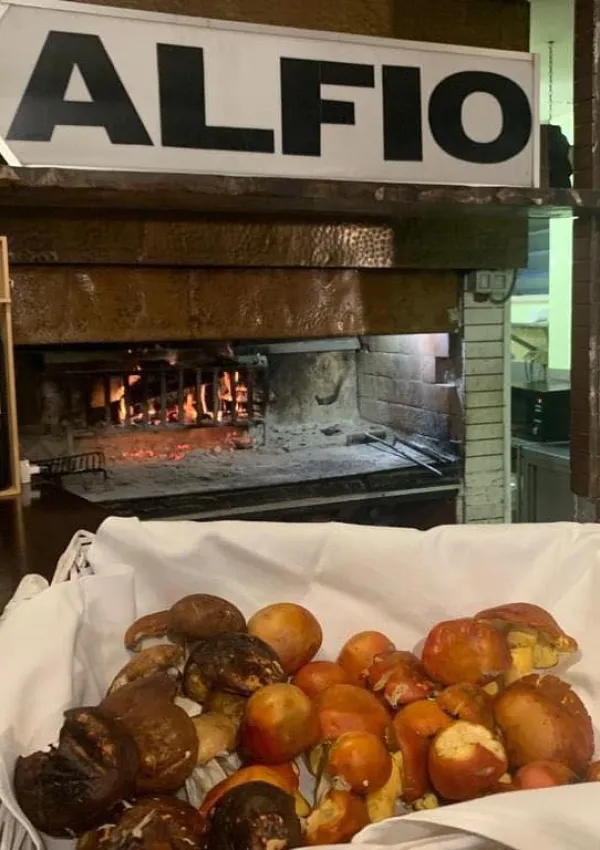
Alfio
#Trattoria
Via G. Galilei 4
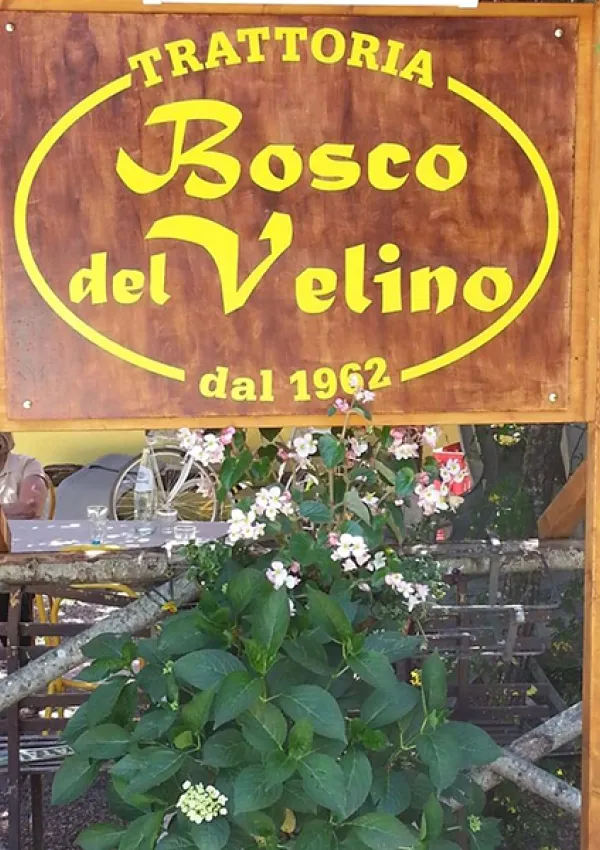
Bosco del Velino
#Trattoria
Via della Cascata 35
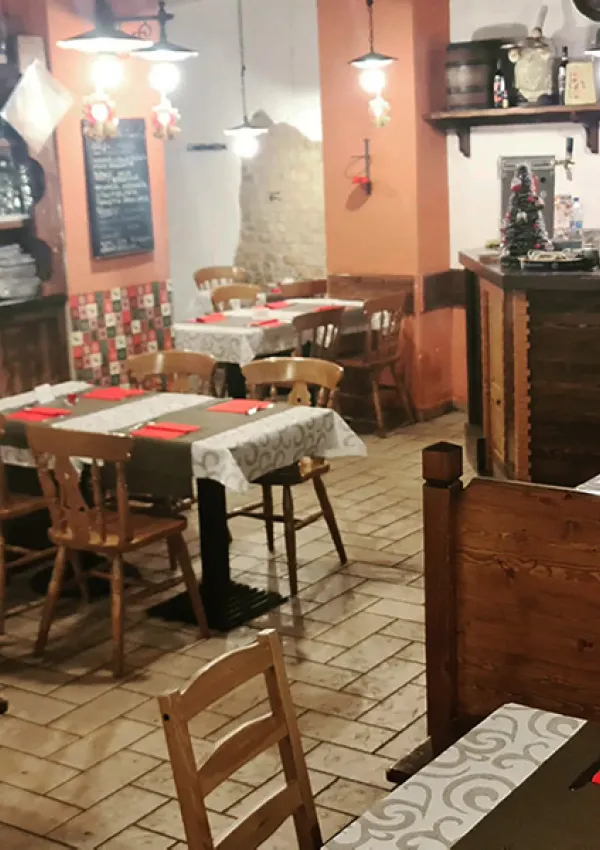
Camelot
#Pizzeria
Via Curio Dentato, 26
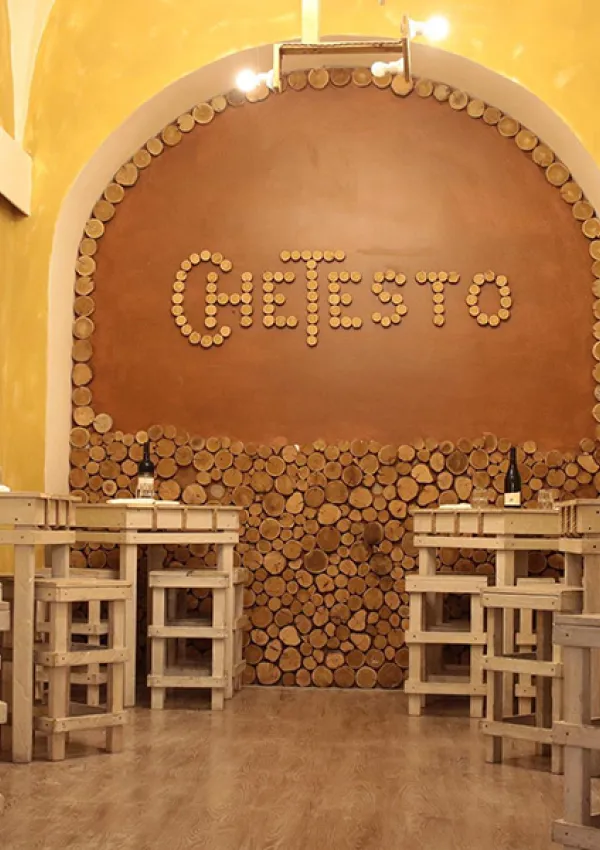
Che testo!
#Braceria
#Pizzeria
P.zza Solferino 20
Eco - Piediluco
#Ristorante
Via IV Novembre 12
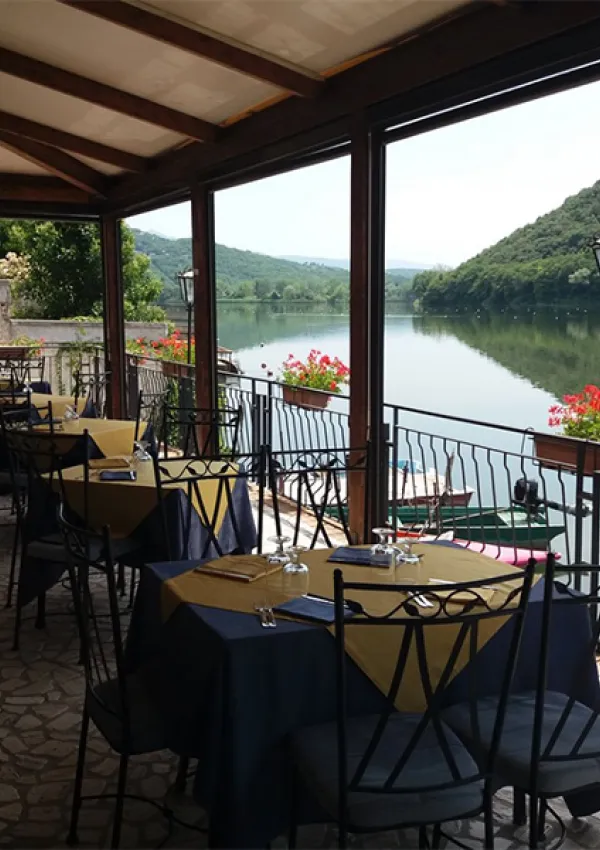
Flowers
#Pizzeria
#Rosticceria
Via S.Tommaso 9
@: view email
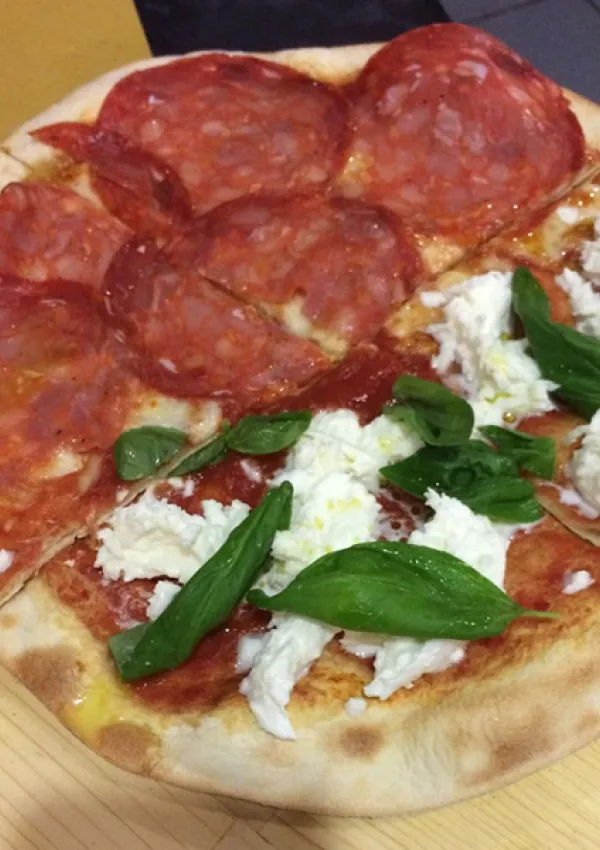
I Ribelli di Campagna
#Ristorante
#Trattoria
Via Valnerina, 109
@: view email
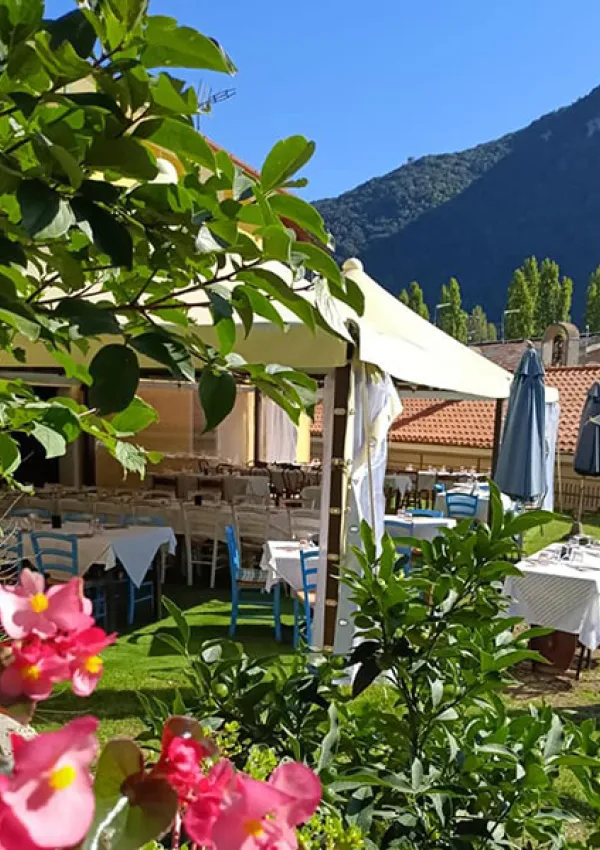
Il Boschetto
#Trattoria
Voc. Miranda 75